
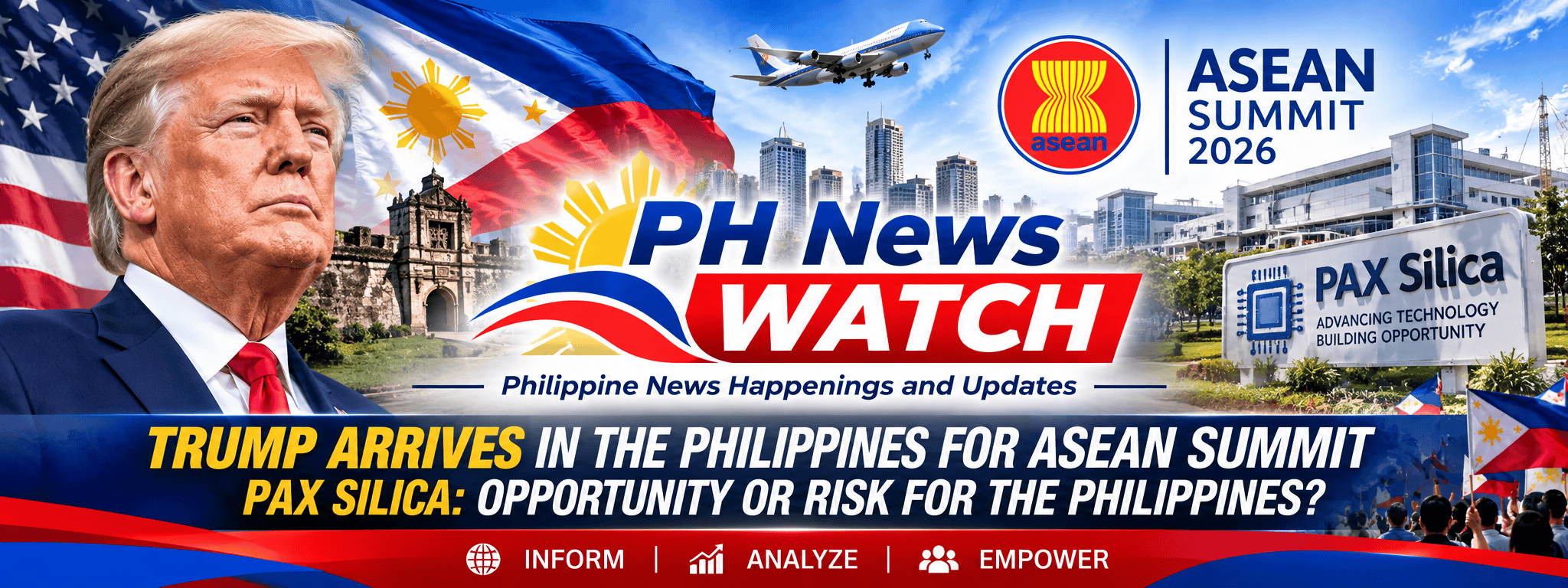
November 17, 2026 – MANILA, Philippines — US President Donald Trump has arrived in the Philippines for the 49th ASEAN Summit, bringing renewed attention to the country’s relationship with the United States and the proposed PAX Silica initiative.
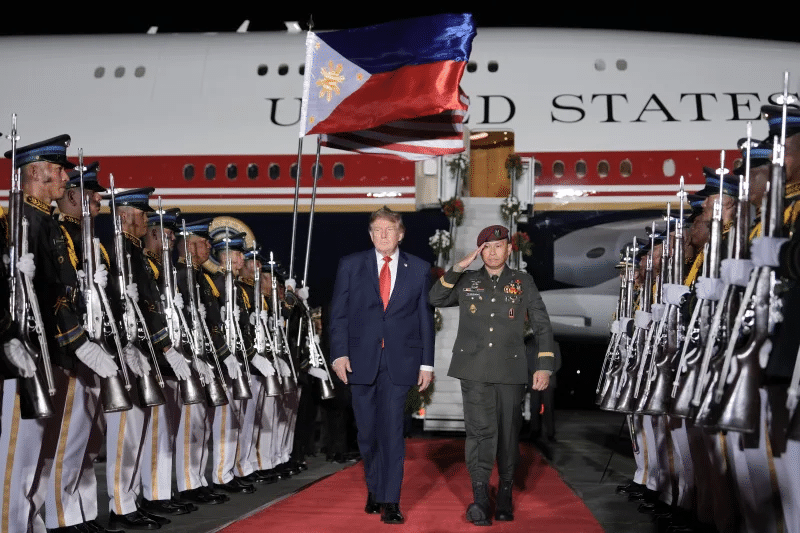
While international leaders discuss economic cooperation, technology, and regional security, many Filipinos are asking an important question: Will these partnerships genuinely benefit the Filipino people?
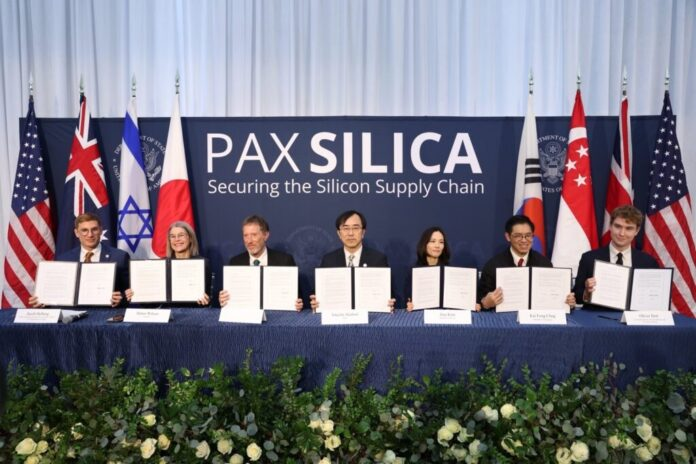
WHAT IS PAX SILICA?
PAX Silica is a US-led initiative focused on strengthening global supply chains for semiconductors, artificial intelligence, advanced technology, and critical minerals.
The Philippines joined the initiative in April 2026, with plans being discussed for a proposed industrial development zone in New Clark City, Tarlac.
The project could attract foreign investments, strengthen the country’s semiconductor industry, and create employment opportunities for Filipino engineers, IT professionals, technicians, and skilled workers.
However, economic opportunities also come with responsibilities and potential risks.
WHAT WILL FILIPINOS GAIN?
For ordinary Filipinos, foreign investments should translate into tangible improvements in everyday life.
If properly implemented, PAX Silica could:
- Create more jobs for Filipino workers and technology professionals.
- Provide better opportunities for graduates in IT, engineering, and related fields.
- Strengthen local manufacturing and technology industries.
- Encourage technology transfer and professional development.
- Generate business opportunities for Filipino companies.
But Filipinos should not settle for investment announcements alone. The government must ensure fair wages, local employment opportunities, and meaningful participation by Filipino businesses.
WHY ARE SOME FILIPINOS CONCERNED?
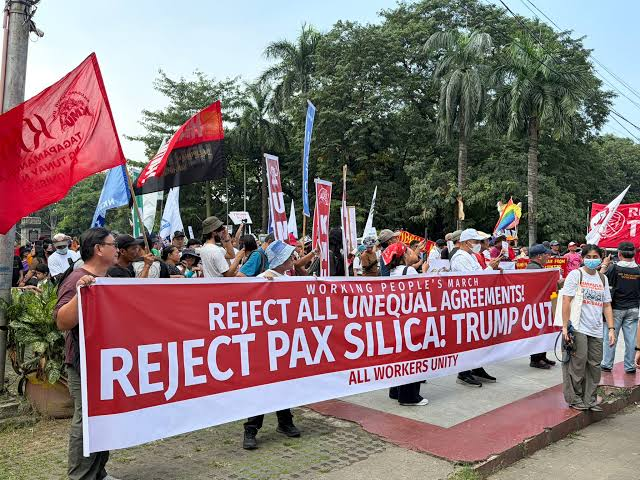
Despite its potential economic benefits, PAX Silica has also raised concerns among protesters and advocacy groups.
Some are questioning its possible effects on ancestral lands, environmental resources, and Philippine sovereignty.
Others worry that closer participation in a US-led technology initiative could further involve the Philippines in the growing competition between the United States and China.
The Philippines must be able to pursue international partnerships without compromising its independence or allowing geopolitical interests to take priority over the welfare of its citizens.
THE FILIPINO PEOPLE MUST COME FIRST
Trump’s visit and the ASEAN Summit present an opportunity for the Philippines to strengthen international cooperation. However, the success of these engagements should not be measured simply by diplomatic agreements or foreign investments.
The government must provide clear answers:
- Will Filipino workers receive decent-paying jobs?
- Will local communities and ancestral lands be protected?
- Will the environment be safeguarded?
- Will Filipino companies benefit?
- Will Philippine sovereignty and national laws remain protected?
Foreign investments are welcome when they contribute to genuine national development. But the Filipino people must never be left behind.

At the end of the day, the Philippines should not simply become a strategic location for powerful countries competing for technological dominance. It should become a country where Filipinos have better jobs, stronger industries, and greater opportunities for the future.
Because no matter how powerful our international partners may be, the country’s first responsibility must always be to protect the interests of its own people.
The Philippines must put Filipinos first.