
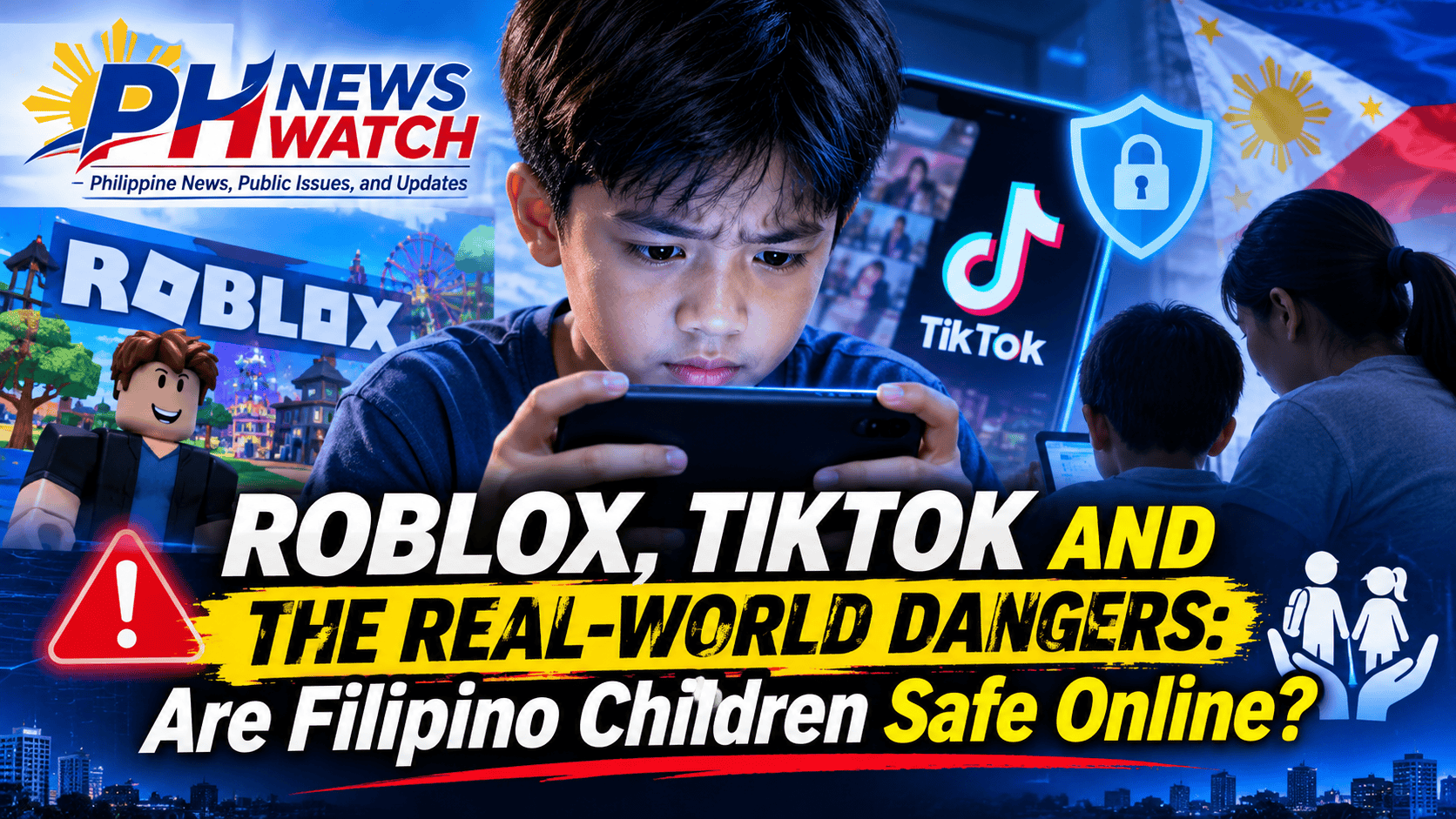
PH News Watch | November 27, 2026 | Caloocan City
As online gaming and social media become part of everyday life for Filipino children, a disturbing incident in Caloocan raises serious questions about online predators, cyber safety, bullying, parental supervision, and the responsibility of digital platforms.

A disturbing incident that raises questions about online safety
The safety of Filipino children online is once again under the spotlight following a stabbing incident involving elementary school students at a public school in Caloocan City on November 25, 2026.
According to reports, two students were injured after allegedly being attacked by a fellow pupil, a 12-year-old student. One victim sustained seven stab wounds, while another suffered two. Both victims were reported out of danger following medical treatment.
What makes the incident even more concerning is the police investigation into the suspect’s alleged communication with an unidentified online individual through Roblox and TikTok.
Authorities are investigating claims that the individual may have encouraged the young student to carry out the attack. The Philippine National Police has directed its Anti-Cybercrime Group to identify and locate the alleged online predator.
Investigators have also looked into reports that the young suspect may have experienced bullying and physical abuse from classmates. However, these allegations have yet to be independently established by investigators.
These developments raise an important question: How safe are Filipino children when they interact with strangers through online games and social media?
When online friendships become a potential danger
Online gaming platforms such as Roblox have become popular among Filipino children and teenagers. They offer entertainment, creativity, social interaction, and opportunities to connect with other players around the world.
Meanwhile, TikTok has become a major platform where young people watch videos, participate in trends, communicate, and discover online communities.
There is nothing inherently wrong with children enjoying online games or social media. These platforms can provide positive experiences when used responsibly.
However, the danger begins when individuals with malicious intentions exploit these platforms to establish relationships with minors.
Online predators may pretend to be fellow players, friends, or trusted individuals. They may gradually build a child’s trust, encourage secrecy, manipulate emotions, or expose them to inappropriate and harmful conversations.
In more serious cases, online grooming can lead to exploitation, threats, coercion, and even attempts to influence a child’s real-world behavior.
This is why parents and guardians must understand that online safety is not limited to controlling screen time. It also involves knowing who children communicate with and understanding the digital environments they enter.

Video games are not automatically the problem
It is important to distinguish between online gaming itself and the actions of individuals who misuse digital platforms.
Millions of children play online games without engaging in harmful activities. Gaming can encourage creativity, teamwork, problem-solving, and social interaction.
The concern is not simply that children play Roblox or watch TikTok videos. The concern is whether safeguards are strong enough to prevent adults and malicious individuals from exploiting young users.
Blaming an entire gaming platform or social media application without examining the actual circumstances does not solve the problem.
Instead, attention should be directed toward online predators, unsafe communication, inadequate supervision, harmful content, bullying, and the effectiveness of platform safety measures.
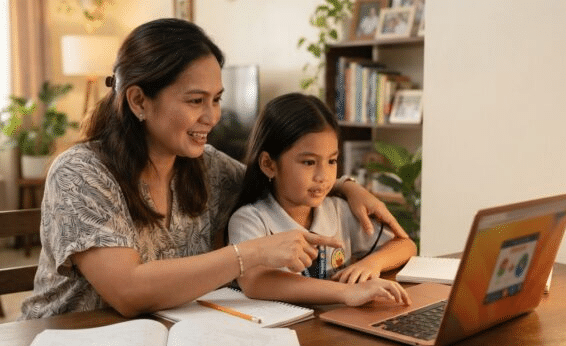
Parents cannot afford to ignore their children’s digital lives
In today’s generation, handing a child a smartphone or tablet is almost as common as giving them toys or school supplies.
But access to technology also comes with responsibility.
Parents and guardians should make an effort to understand the applications their children use, the games they play, and the people they interact with online.
Here are some important reminders for Filipino families:
- Know who your children are talking to. Encourage open conversations about their online friends and gaming communities.
- Review privacy and communication settings. Use available parental controls, age-appropriate settings, and restrictions on private messaging and interactions with strangers.
- Teach children not to share personal information. Addresses, school details, phone numbers, passwords, photographs, and real-time locations should never be casually shared with strangers.
- Watch for unusual behavioral changes. Sudden secrecy, fear, emotional distress, withdrawal, or unexplained changes in behavior may warrant a calm and supportive conversation.
- Teach children to recognize manipulation. Make sure they understand that anyone asking them to keep inappropriate secrets, send private photographs, meet secretly, or do something harmful should be reported to a trusted adult.
- Maintain open communication. Children should feel safe approaching their parents or guardians without immediately fearing punishment for discussing uncomfortable online experiences.
Most importantly, parents should not rely entirely on parental-control applications. Technology can help, but active guidance, trust, and communication remain essential.

What responsibility should digital platforms take?
Parents are not the only ones responsible for protecting children online.
Companies operating online games, social media applications, and digital communication platforms also have a responsibility to provide safer environments for young users.
Platforms accessible to Filipino minors should continuously strengthen their safeguards, including:
- Effective age-appropriate account and privacy protections.
- Stronger detection and prevention of online grooming and suspicious interactions.
- Accessible reporting systems for children and parents.
- Appropriate restrictions on unsolicited messages from unknown adults.
- Faster responses to reports involving threats, exploitation, and child abuse.
- Better cooperation with legitimate law enforcement investigations.
In a public advisory dated September 23, 2026, the National Privacy Commission reminded digital platforms of their obligations under the Data Privacy Act of 2012 and related regulations when processing children’s personal information.
The NPC also called for privacy-preserving age-assurance mechanisms and measures against behavioral profiling that exposes children to violent, aggressive, or unsafe content.
The responsibility of protecting children in the digital world must be shared by families, schools, government agencies, and technology companies.
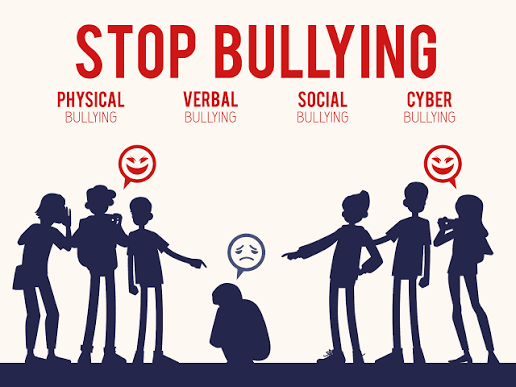
Bullying must also be addressed inside our schools
Another important aspect of the Caloocan incident is the allegation that the young suspect may have experienced bullying.
Although investigators have yet to verify these claims, the issue deserves serious attention.
Bullying is not simply a childhood disagreement or an ordinary part of growing up. Repeated humiliation, intimidation, physical abuse, and social exclusion can affect a child’s emotional and psychological well-being.
Schools must have effective mechanisms for identifying bullying, receiving complaints, protecting victims, and providing appropriate intervention to learners who exhibit concerning behavior.
Teachers, guidance counselors, school administrators, parents, and local authorities must work together.
A child who is being bullied should not be ignored. Likewise, a child displaying harmful behavior should receive appropriate assessment, intervention, and guidance.
Protecting students means addressing problems before they escalate into serious incidents.
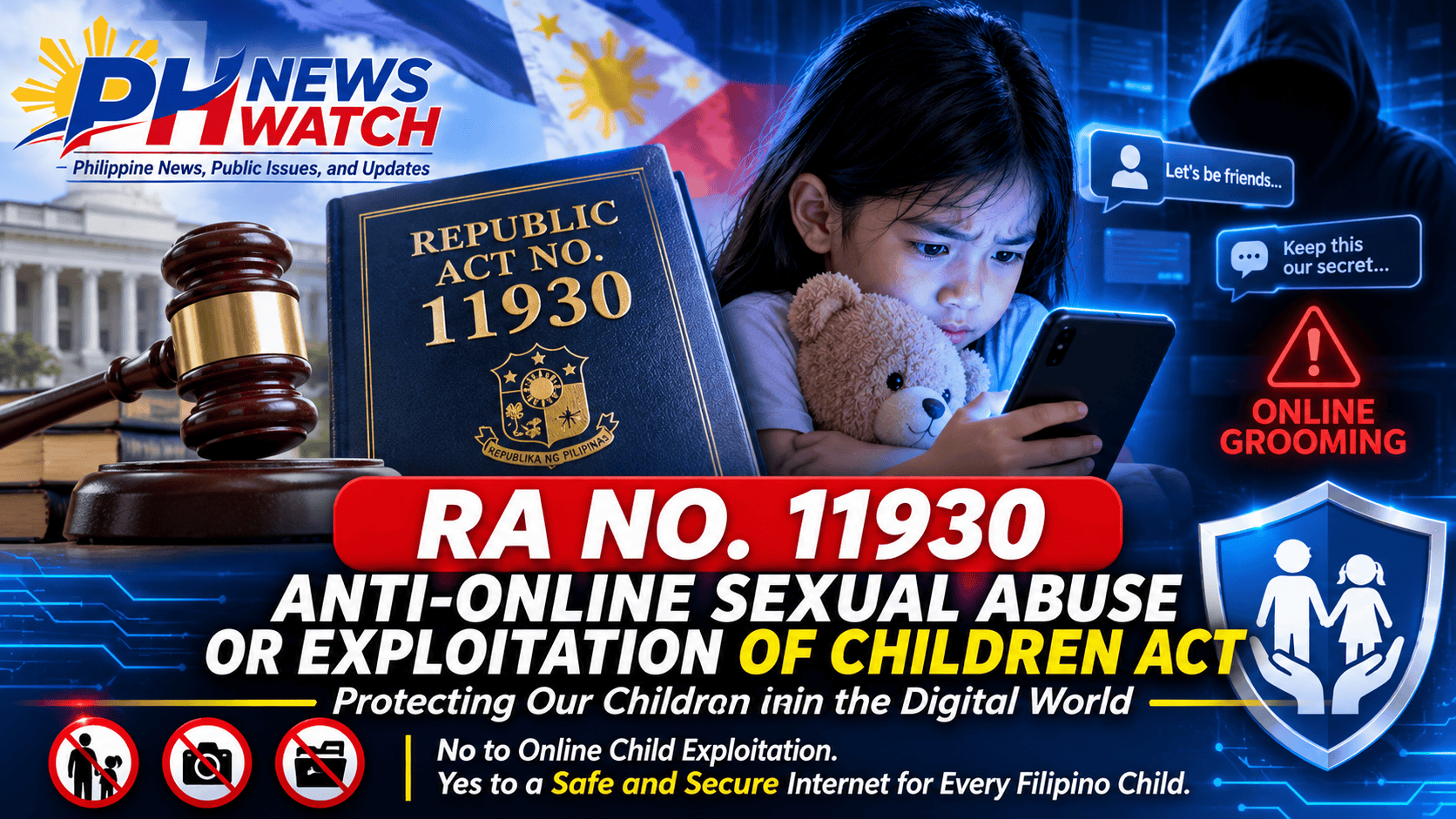
The law must protect Filipino children online
The Philippines already has laws addressing the online abuse and exploitation of children.
Republic Act No. 11930, or the Anti-Online Sexual Abuse or Exploitation of Children and Anti-Child Sexual Abuse or Exploitation Materials Act, criminalizes various forms of online child sexual abuse and exploitation, including grooming.
The law provides mechanisms for investigating and prosecuting individuals involved in these offenses.
The government has also launched its National Strategic Plan Against OSAEC and CSAEM for 2025–2028, emphasizing coordinated prevention, protection, enforcement, and partnerships.
While these legal protections address specific forms of abuse and exploitation, the broader challenge remains: ensuring that children know how to recognize danger and that institutions respond effectively when risks emerge.
A shared responsibility: Protecting the next generation
The Caloocan incident should serve as a reminder that the digital world and the real world are no longer separate.
A conversation that begins inside an online game or social media application can have consequences beyond a smartphone screen.
Filipino children deserve to enjoy technology, discover their interests, make friends, and participate in digital communities without being exposed to manipulation, exploitation, or threats.
But protecting them requires more than simply banning applications or taking away their gadgets.
It requires responsible parenting, stronger school-based interventions, effective law enforcement, accountable digital platforms, and a society that takes children’s welfare seriously.
The question is no longer whether children should use technology. The question is whether we are doing enough to make the digital world safe for them.
Because every Filipino child deserves a safe childhood — both online and offline.
PH NEWS WATCH | Philippine News, Public Issues, and Updates
Disclaimer: This article is based on publicly reported information available as of November 27, 2026. Allegations concerning the Caloocan incident remain subject to investigation. The identities and privacy of the minors involved must be protected. This article does not establish the guilt of any individual or attribute violence to any particular gaming or social media platform.