
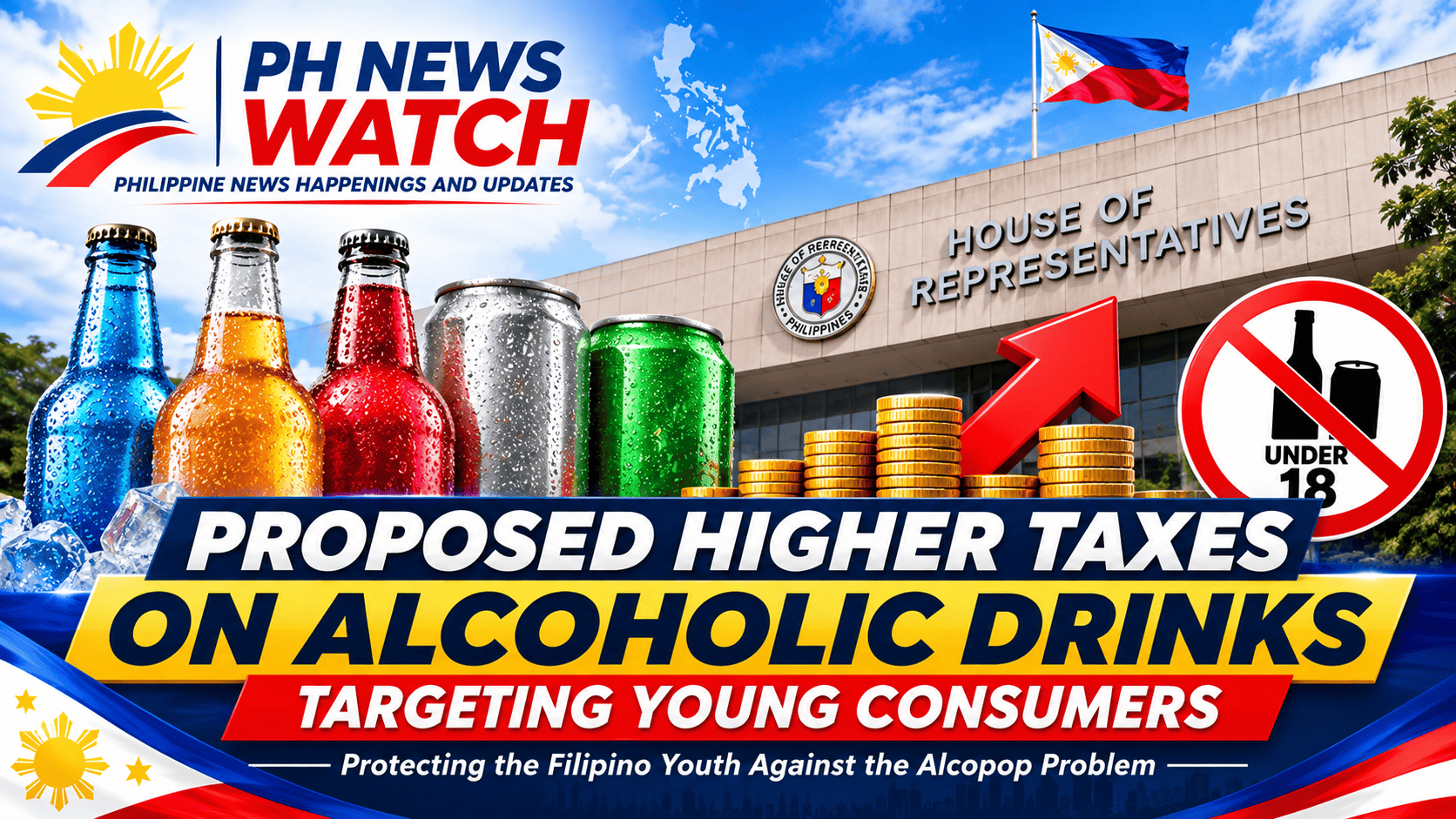
MANILA, Philippines – A proposed increase in excise taxes on alcoholic beverages, particularly flavored ready-to-drink products commonly known as alcopops, is drawing attention to a growing public health concern: the accessibility and appeal of alcoholic drinks among young Filipino consumers.
The proposal, being considered in the House of Representatives, seeks to strengthen taxation on these products amid concerns about their marketing, affordability, and potential appeal to younger consumers.
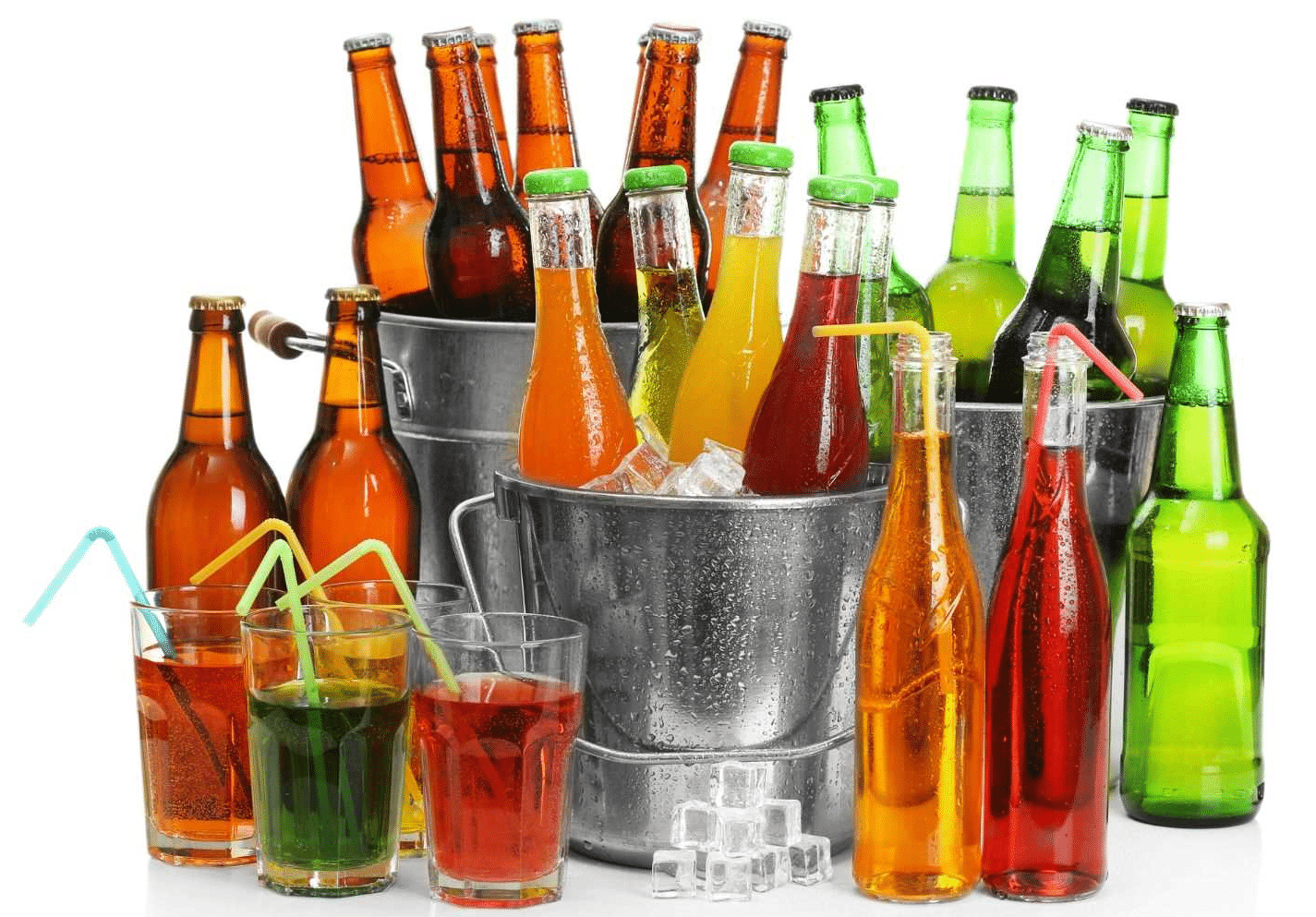
What Are Alcopops?
Alcopops are flavored alcoholic beverages that often resemble soft drinks, fruit juices, or other sweetened refreshments. Their colorful packaging, sweet flavors, and convenient ready-to-drink format can make them attractive to consumers who may not traditionally prefer beer or stronger alcoholic beverages.
However, behind their sweet taste is alcohol content that carries the same fundamental risks associated with drinking.
Health advocates have raised concerns that these products may create a misleading impression that they are harmless refreshments rather than alcoholic beverages.
Why Is the Government Considering Higher Taxes?
The proposed tax adjustment aims to address concerns about alcohol consumption, particularly among younger people.
Higher excise taxes could make alcoholic beverages more expensive and potentially discourage excessive consumption. It could also generate additional government revenue that may support public health programs.
However, taxation alone cannot solve the problem. Enforcement of existing regulations, responsible marketing, parental guidance, and stronger public awareness campaigns must also be considered.
The Youth Factor: A Growing Public Health Concern
Young Filipinos face increasing exposure to products marketed through attractive packaging, social media trends, and online advertising.
While not every young consumer drinks alcohol, the availability of inexpensive and sweet-tasting alcoholic beverages raises important questions about accessibility and responsible consumption.
The government must ensure that young people are protected from irresponsible marketing practices and that age restrictions on alcohol sales are properly enforced.
Schools, parents, local government units, and communities also have an important role in educating the youth about the long-term consequences of alcohol consumption.
Will Higher Taxes Actually Work?
The proposed increase may help discourage alcohol consumption, but its effectiveness will depend on how the policy is implemented.
Policymakers should consider several important factors:
- Affordability: Will higher prices discourage excessive alcohol consumption?
- Accessibility: Are existing age restrictions being properly enforced?
- Marketing: Should advertising and promotional strategies targeting younger audiences face tighter scrutiny?
- Public health: Will additional tax revenues help fund education, prevention, and treatment programs?
- Accountability: How will the government monitor the actual impact of the proposed tax increase?
There is also a need to consider the possible effects on responsible adult consumers, small retailers, and legitimate businesses.
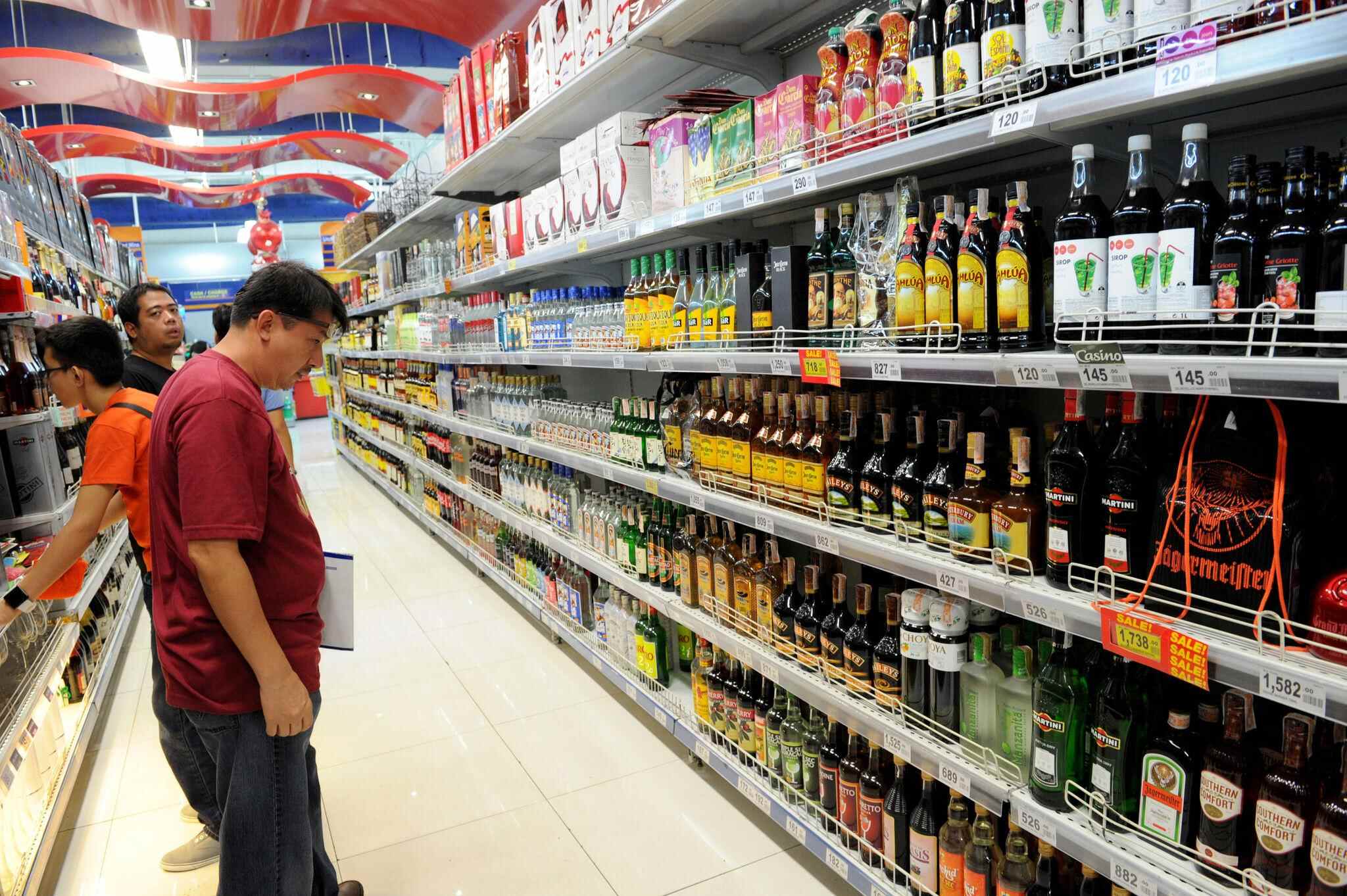
Beyond Taxes: Protecting the Next Generation
The discussion should not end with how much additional tax the government can collect.
The bigger question is whether the Philippines is doing enough to protect its young population from preventable health risks.
A comprehensive approach should combine responsible taxation, stronger regulation, public education, and cooperation between government agencies, schools, parents, and the private sector.
The goal should not simply be to make alcoholic beverages more expensive, but to build a generation that is better informed about the consequences of alcohol consumption.
What do you think? Should the government impose higher taxes on flavored alcoholic drinks to discourage consumption among young Filipinos, or should stricter regulation and enforcement take priority? Share your thoughts respectfully.
PH News Watch | November 26, 2026