
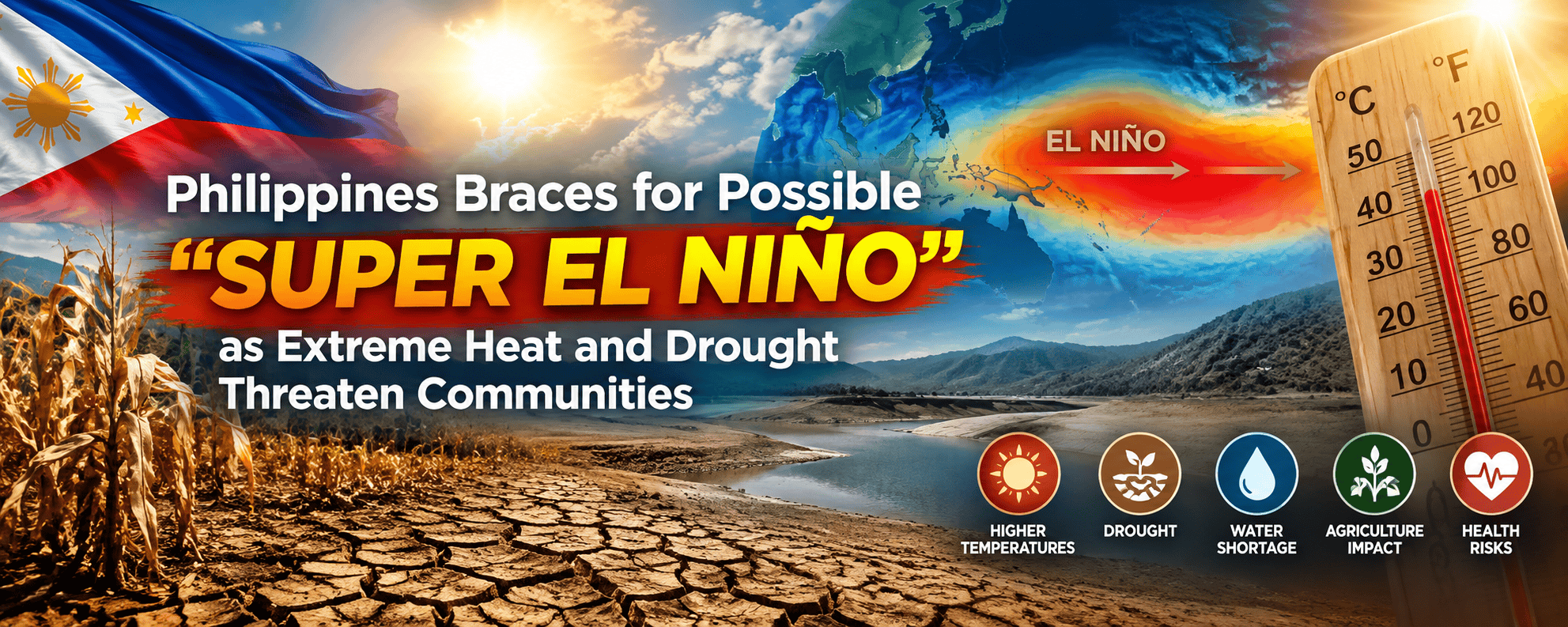
MANILA, Philippines — The Philippines could face another challenging weather period if a strong El Niño event develops, with prolonged hot weather, below-normal rainfall, and drought potentially affecting communities across the country.
El Niño is a climate phenomenon associated with unusually warm sea-surface temperatures in the central and eastern Pacific Ocean. Its effects can influence weather patterns in the Philippines, often bringing hotter and drier conditions, particularly during the dry season.
A particularly strong event is sometimes referred to in media reports as a “Super El Niño.” While the term is not an official classification used to describe every El Niño event, it generally refers to an exceptionally strong episode that could produce more pronounced climate impacts.
Possible Effects on the Philippines
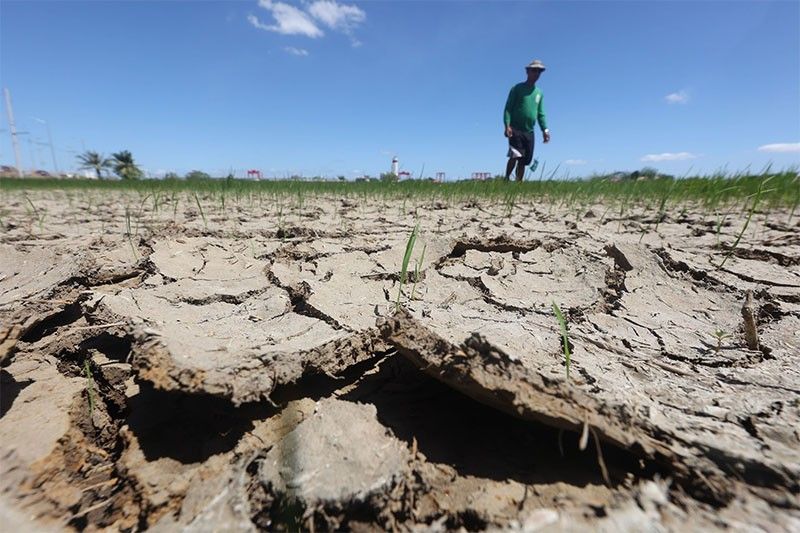
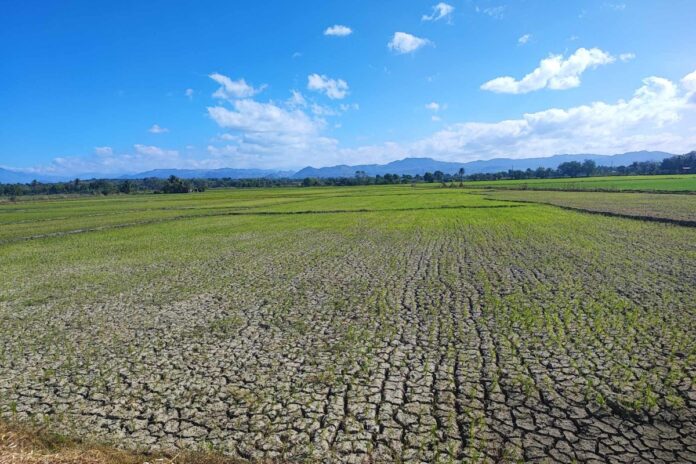
A strong El Niño could result in extended periods of high temperatures and reduced rainfall. Provinces that depend heavily on rainfall for agriculture may face water shortages and declining crop production.
Farmers could be among the most affected as prolonged dry conditions may damage crops, reduce irrigation supplies, and increase the risk of agricultural losses. Reservoirs and water sources could also experience declining water levels.
Urban communities may likewise experience increased demand for electricity and water as households use more cooling appliances during periods of extreme heat.
Health Risks
Health authorities may also need to prepare for an increase in heat-related illnesses. Prolonged exposure to high temperatures can increase the risk of heat exhaustion and heat stroke, particularly among children, older adults, outdoor workers, and people with existing health vulnerabilities.
Residents are encouraged to stay hydrated, avoid prolonged exposure to extreme heat, and limit strenuous outdoor activities during the hottest hours of the day.
Government Preparedness
Government agencies, local authorities, farmers, and communities play an important role in preparing for possible El Niño impacts. Monitoring water supplies, conserving resources, adjusting agricultural schedules, and providing timely weather information can help reduce the effects of prolonged dry conditions.
The public should continue to rely on official forecasts and advisories from the Philippine Atmospheric, Geophysical and Astronomical Services Administration (PAGASA) rather than unverified information circulating on social media.
Stay Prepared
Whether an El Niño event becomes exceptionally strong or not, preparation remains important. Households can conserve water, keep emergency supplies available, monitor weather advisories, and take precautions against extreme heat.
For farmers and local communities, early preparation can help minimize potential losses and protect livelihoods.
As weather patterns continue to change, Filipinos are reminded to stay informed, prepared, and vigilant — especially when extreme heat and prolonged dry conditions threaten communities.