
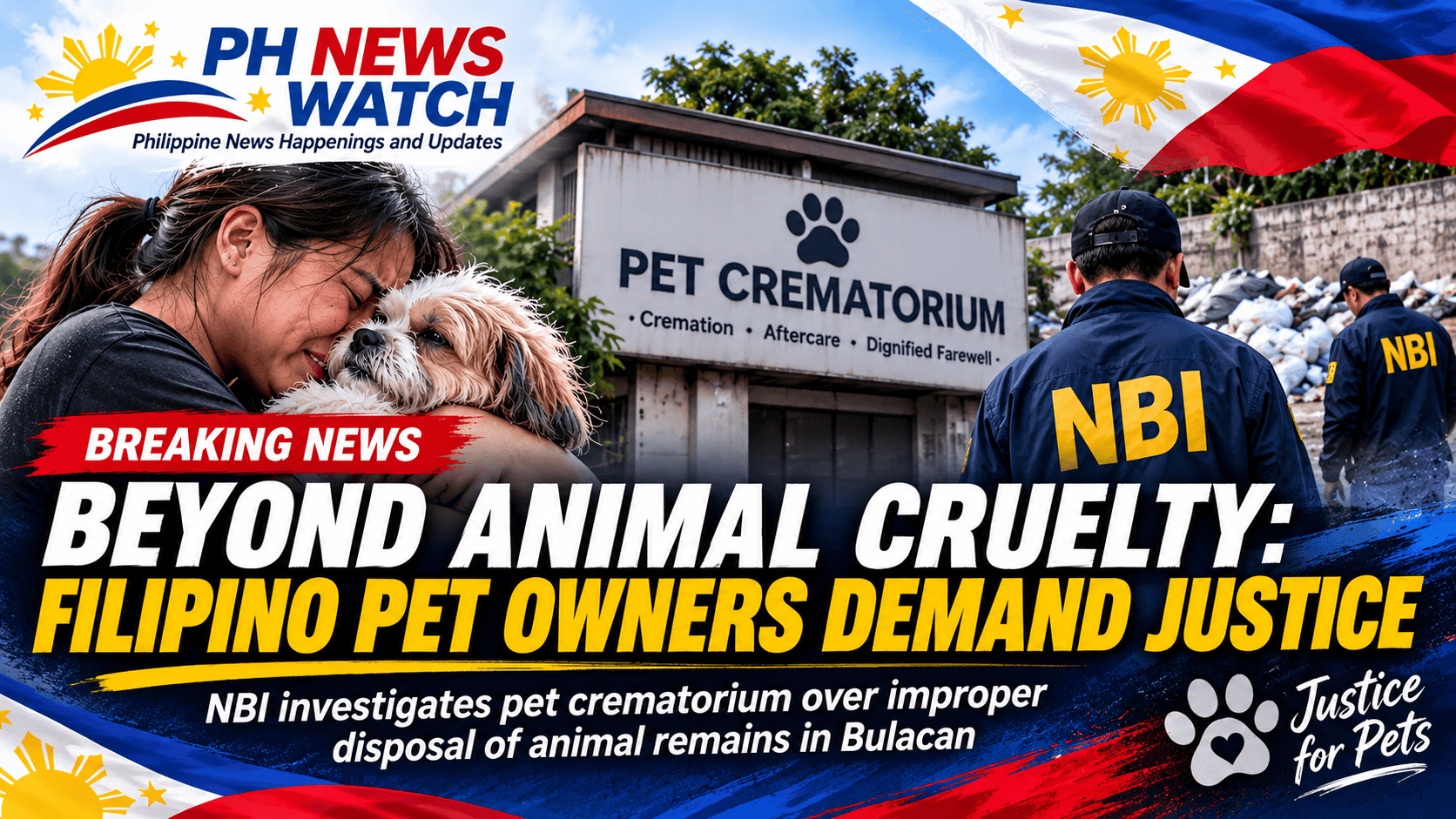
PH News Watch | November 6, 2026 | SAN JOSE DEL MONTE, BULACAN — What was supposed to be a final act of love and respect for beloved family pets has turned into a deeply disturbing controversy, leaving hundreds of Filipino pet owners demanding answers, accountability, and justice.
The National Bureau of Investigation (NBI) is preparing criminal complaints against individuals allegedly involved in the improper disposal of deceased dogs and cats in San Jose del Monte City, Bulacan, following an investigation into the operations of Ahjay Paws Aftercare Pet Crematorium, a business based in Bacoor City, Cavite.
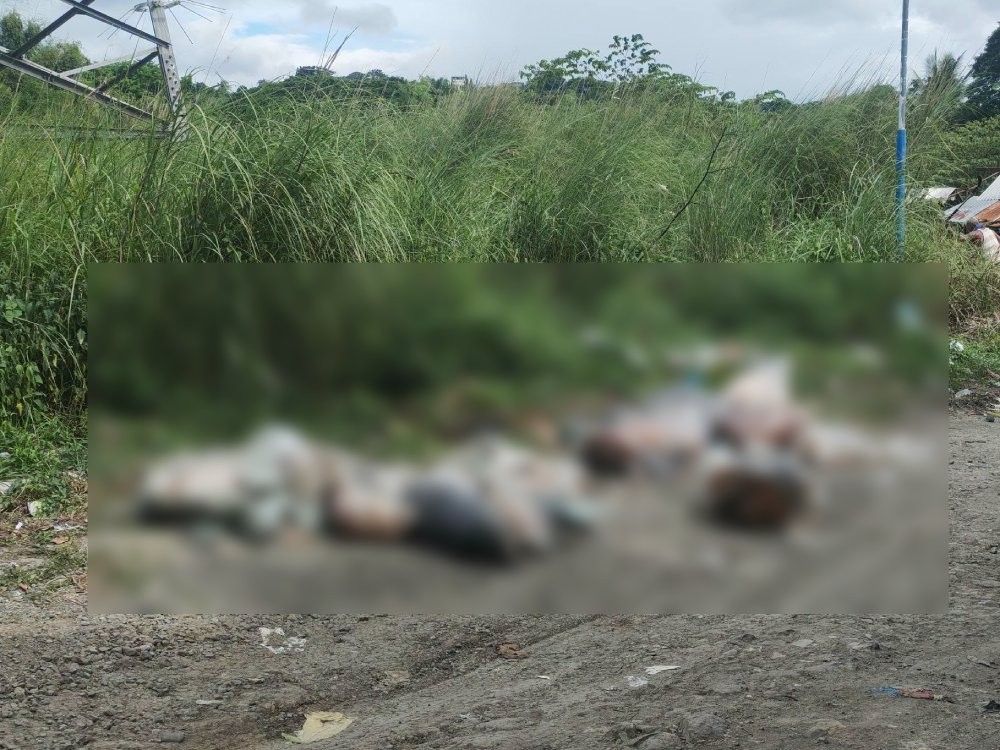
The controversy began after decomposing remains of 26 dogs and three cats were discovered inside plastic bags along New Town Street in Barangay Minuyan Proper, San Jose del Monte. The discovery prompted an investigation after concerned residents reported an unbearable foul odor in the area.
What makes the incident particularly heartbreaking is that these animals were reportedly entrusted to a pet aftercare service by families who wanted to give their companions a dignified farewell.
A Broken Promise to Filipino Families
For many Filipinos, pets are no longer simply animals kept inside their homes. They are companions, sources of comfort, and members of the family.
Dogs that welcome their owners home after a tiring day, cats that provide companionship during difficult moments, and animals that grow alongside children become part of everyday family life.
Losing a beloved pet is already an emotionally difficult experience. For families who choose cremation, the service represents an opportunity to preserve their pet’s memory and provide a respectful final resting place.
However, the allegations surrounding the crematorium have raised serious questions about whether grieving pet owners received the services they paid for.
According to the NBI’s initial findings, the establishment allegedly lacked sufficient cremation facilities and equipment. Investigators said animal remains were transported to another location in San Jose del Monte, where some were allegedly buried instead of cremated as promised.
The NBI is also examining allegations that ashes returned to customers were not actually produced through the cremation of their pets.
For affected families, this is more than a financial dispute. It is the possibility that the final moments they entrusted to a service provider were not handled with the dignity and honesty they expected.
When Grief Becomes an Opportunity for Exploitation
One of the most troubling aspects of this controversy is the vulnerability of customers who are already experiencing grief.
Families who lose their pets often make arrangements immediately because they want to ensure that their companions receive proper care even after death.
They pay for transportation, cremation, urns, and other aftercare services, trusting that the establishment will fulfill its commitments.
If the allegations are proven, this case would demonstrate how easily the trust of grieving families can be exploited for financial gain.
The issue also raises a broader concern about consumer protection in the Philippines. Businesses offering specialized services should be held to standards of honesty, transparency, and accountability, especially when dealing with customers during emotionally difficult circumstances.
A business permit should not simply be a requirement for operating an establishment. It should come with the responsibility to provide legitimate, safe, and properly documented services.
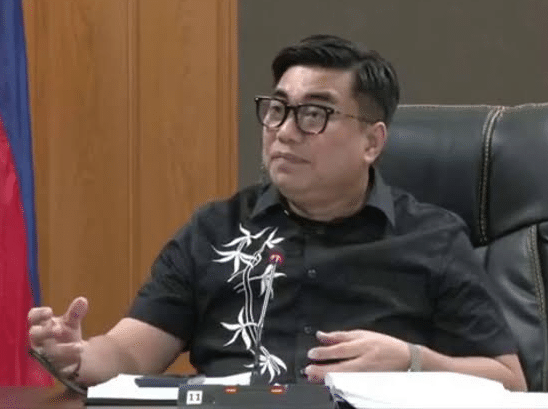
(NBI Director Sir Melvin Matibag)
NBI Moves to Hold Those Responsible Accountable
On November 5, NBI Director Melvin Matibag announced that two individuals connected to the case had voluntarily surrendered to the bureau and were under its custody.
The NBI said it was preparing an initial six cases based on complaints from affected pet owners, while investigators continued gathering evidence and determining the possible liability of other individuals.
As of November 6, the bureau was preparing complaints involving possible estafa and environmental violations against the crematorium owner and other individuals.
The investigation also involves examining business records, cremation facilities, equipment, and other evidence that could establish what happened to the animals entrusted to the establishment.
Authorities have encouraged affected pet owners to come forward and submit cremation receipts, certificates, transaction records, photographs, and communications with the business.
The establishment had also been ordered closed by the Bacoor City government on October 31.
These developments are important, but the public deserves a thorough investigation that does not stop with the individuals who directly handled the remains. Authorities must also establish whether there were failures in business regulation, inspection, and oversight.
A Wake-Up Call for the Philippine Government
This controversy should prompt concerned government agencies and local government units to review how pet crematoriums and animal aftercare businesses operate throughout the country.
There should be clear standards covering:
- Business registration and permits: Verification that establishments are legally authorized to provide cremation services.
- Actual cremation facilities: Inspection of equipment and facilities to ensure that advertised services can genuinely be performed.
- Transparency and documentation: Proper records identifying each animal received, processed, cremated, and returned to its owner.
- Environmental and sanitation compliance: Appropriate handling, transportation, and disposal of animal remains.
- Consumer protection: Clear service agreements, receipts, and mechanisms for filing complaints and obtaining remedies.
The Department of Environment and Natural Resources (DENR), Department of the Interior and Local Government (DILG), local governments, and other concerned agencies should consider coordinated inspections of similar establishments.
Filipino consumers should not have to wait for another disturbing discovery before authorities examine whether businesses are operating responsibly.
Filipino Pet Owners Deserve Answers
Beyond the headlines, photographs, and ongoing investigation are families who are still searching for answers about what happened to their beloved companions.
Some may have already received urns containing ashes, believing that they were bringing home the remains of their pets. Others may still be questioning whether the services they paid for were genuinely performed.
Their grief should not be dismissed simply because the victims were animals.
A society that values compassion should recognize that the humane treatment of animals extends beyond their lives. The way we handle their remains also reflects our values as a community.
This is not simply about the improper disposal of animal remains. It is about consumer rights, public health, business accountability, and the responsibility to protect those who place their trust in service providers.
The Filipino people deserve businesses that operate honestly, government agencies that exercise proper oversight, and a justice system that takes complaints seriously.
Our pets may not be able to speak for themselves, but the families who loved them deserve to be heard.
And for those who entrusted their beloved companions to a service that promised them a dignified farewell, one thing remains clear: they deserve the truth.