
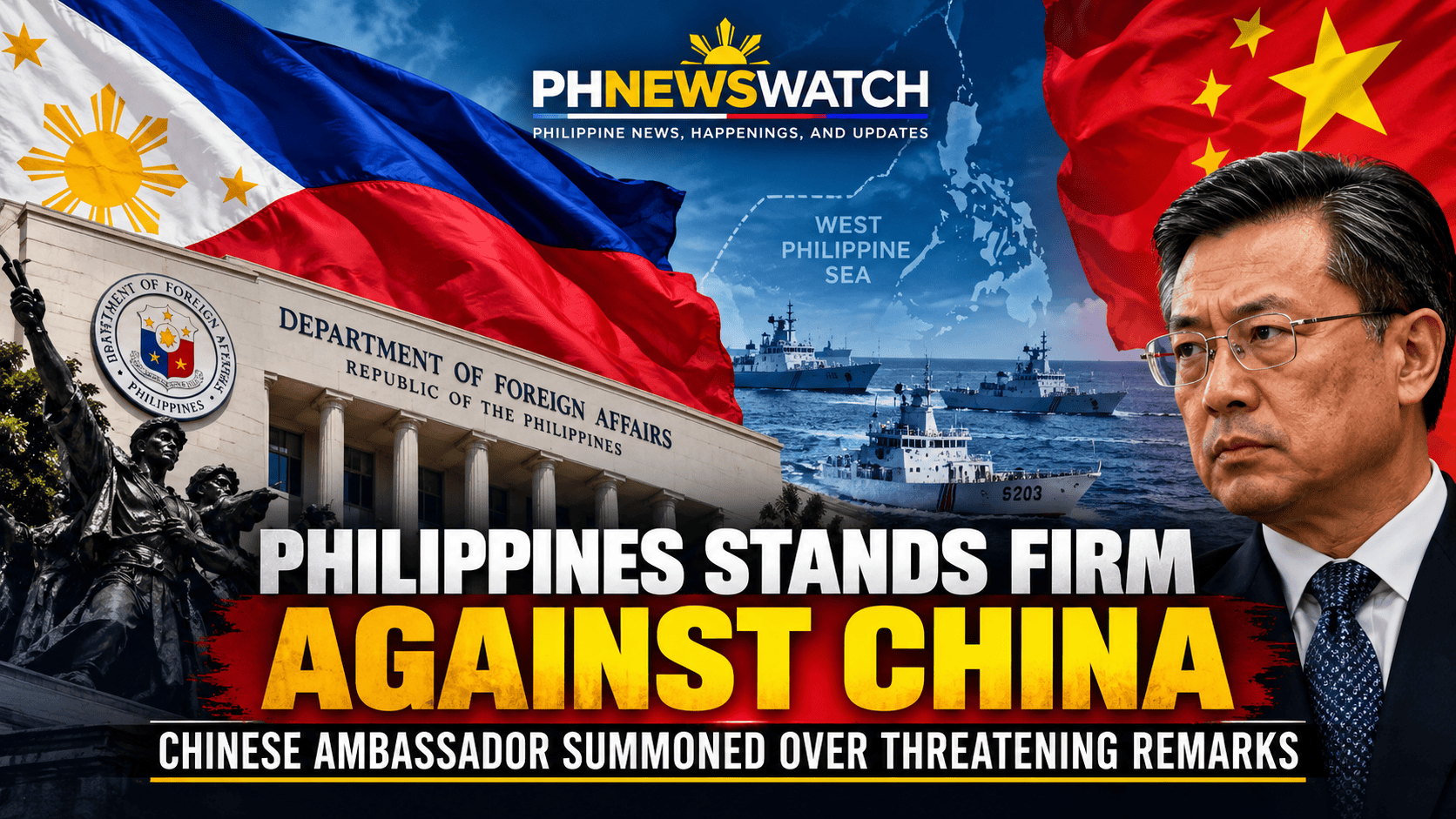
MANILA, Philippines — October 21, 2026 — The Philippines has taken a firm diplomatic stand against China after summoning Chinese Ambassador Jing Quan over controversial remarks suggesting that Beijing could easily defeat the Philippines in a military confrontation.
The Department of Foreign Affairs (DFA) summoned the Chinese ambassador on October 19 to express the Philippine government’s strong objection to his statements, which raised concerns about intimidation and respect for Philippine sovereignty.
The incident has once again highlighted the continuing tensions between Manila and Beijing over the West Philippine Sea, where the Philippines continues to defend its sovereign rights under international law.
The Philippines Will Not Be Intimidated
The Philippines may not possess the same military strength as China, but differences in military power do not determine a nation’s sovereignty, dignity, or rights under international law.
Every independent nation, regardless of its size or military capabilities, deserves respect.
Ambassador Jing Quan’s remarks have raised serious questions about the appropriateness of using military superiority as a talking point in diplomatic disagreements.
Although the ambassador reportedly emphasized China’s preference for peace, statements suggesting that one country could easily defeat another risk undermining trust and increasing regional tensions.
The Philippine government’s decision to summon the ambassador sends an important message: Diplomatic relations must be built on mutual respect, not intimidation.
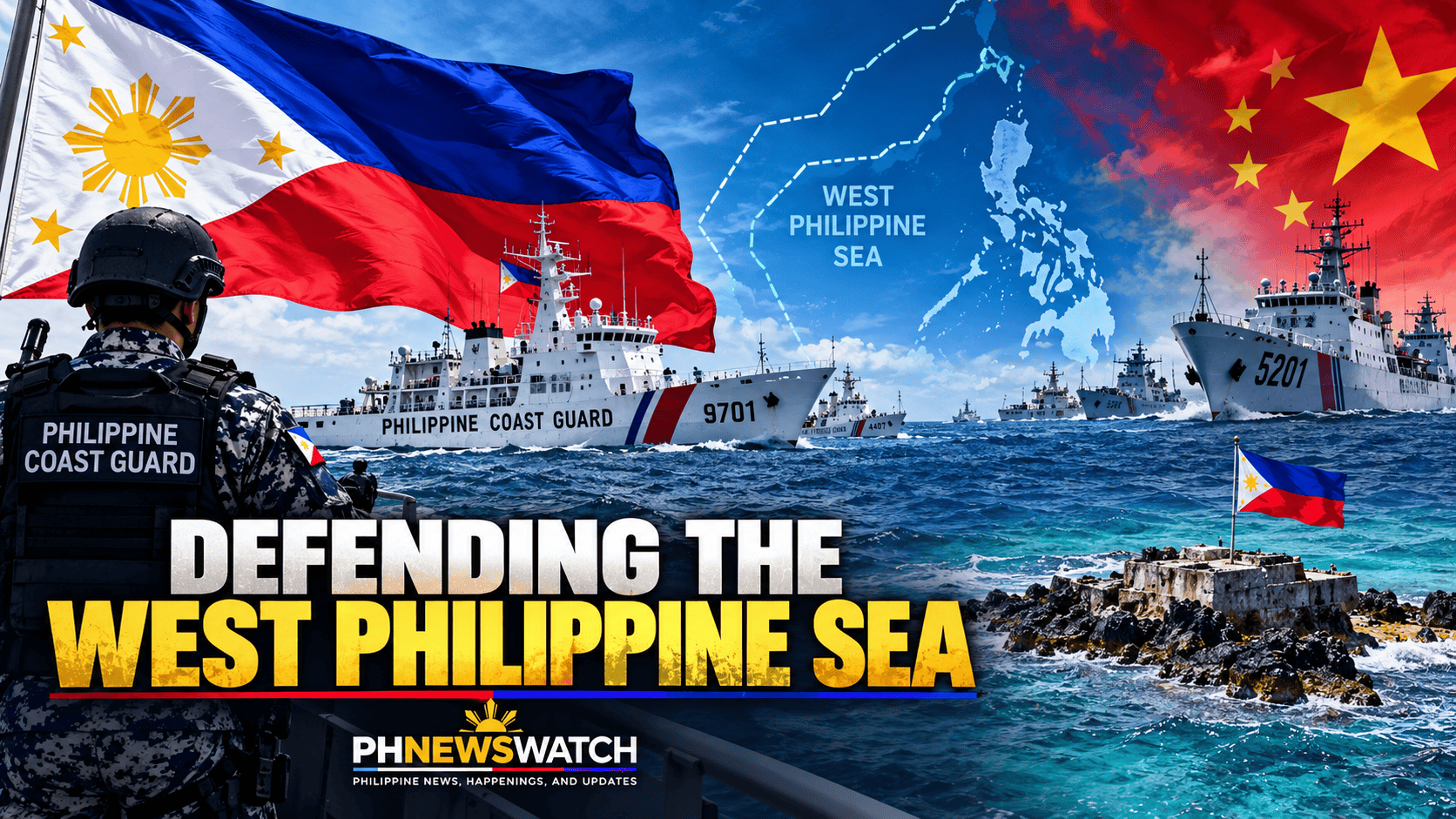
The West Philippine Sea Belongs Within the Philippines’ Lawful Maritime Rights
The West Philippine Sea is not merely a political issue. It concerns the Philippines’ sovereign rights, marine resources, national security, and the livelihoods of Filipino fishermen.
Under the United Nations Convention on the Law of the Sea (UNCLOS), the Philippines enjoys sovereign rights over natural resources within its exclusive economic zone.
In 2016, an international arbitral tribunal ruled that China’s expansive claims to historic rights within its so-called nine-dash line had no legal basis insofar as they exceeded the maritime entitlements permitted under UNCLOS.
China has refused to recognize the ruling, but its rejection does not erase the tribunal’s findings.
The Philippines has every right to defend its lawful maritime entitlements without being subjected to threats or pressure from a more powerful nation.
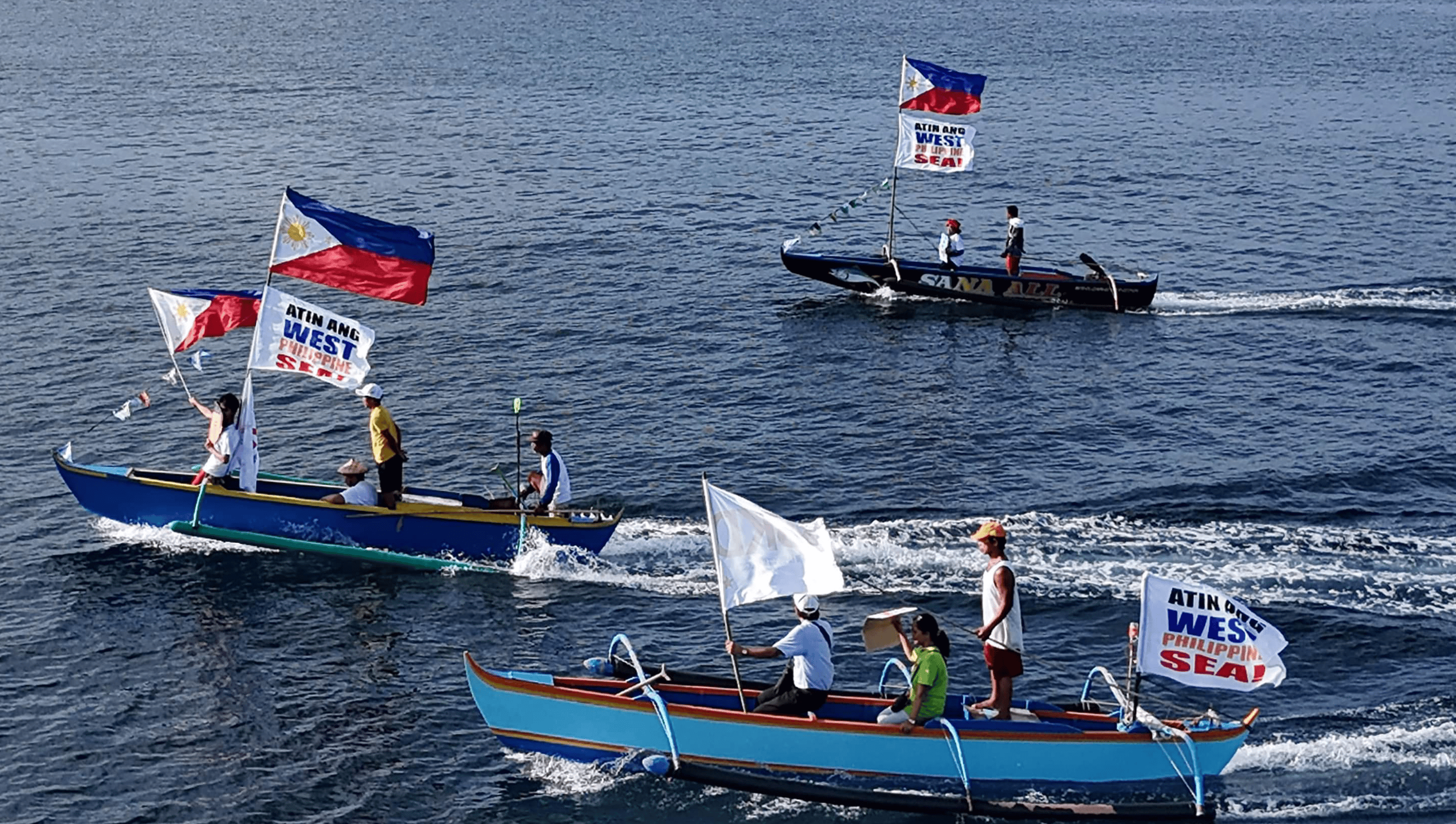
Filipino Fishermen Deserve Protection, Not Fear
Beyond diplomatic statements and international disagreements, ordinary Filipinos are among those most affected by tensions in the West Philippine Sea.
Filipino fishermen depend on these waters for their livelihoods and to provide food for their families.
Reports of confrontations involving Chinese vessels and Philippine boats have raised concerns about the safety and freedom of Filipino fishermen operating in traditional fishing grounds and areas where the Philippines exercises maritime rights.
These individuals should not have to fear harassment or intimidation while earning an honest living.
Protecting them is not an act of aggression. It is part of the Philippine government’s responsibility to safeguard its citizens and defend the country’s legitimate interests.
Peace Should Never Mean Surrendering Our Rights
The Philippines has consistently pursued diplomatic approaches to resolving disputes with China.
However, peaceful dialogue should never require the country to abandon its sovereign rights or remain silent in the face of intimidation.
China and the Philippines share important economic and diplomatic relationships, and maintaining peaceful cooperation benefits both nations.
But genuine friendship between countries requires respect for international law, national independence, and the dignity of their people.
The Philippines can pursue peace while remaining firm in defending its sovereignty and sovereign rights. These principles are not contradictory.
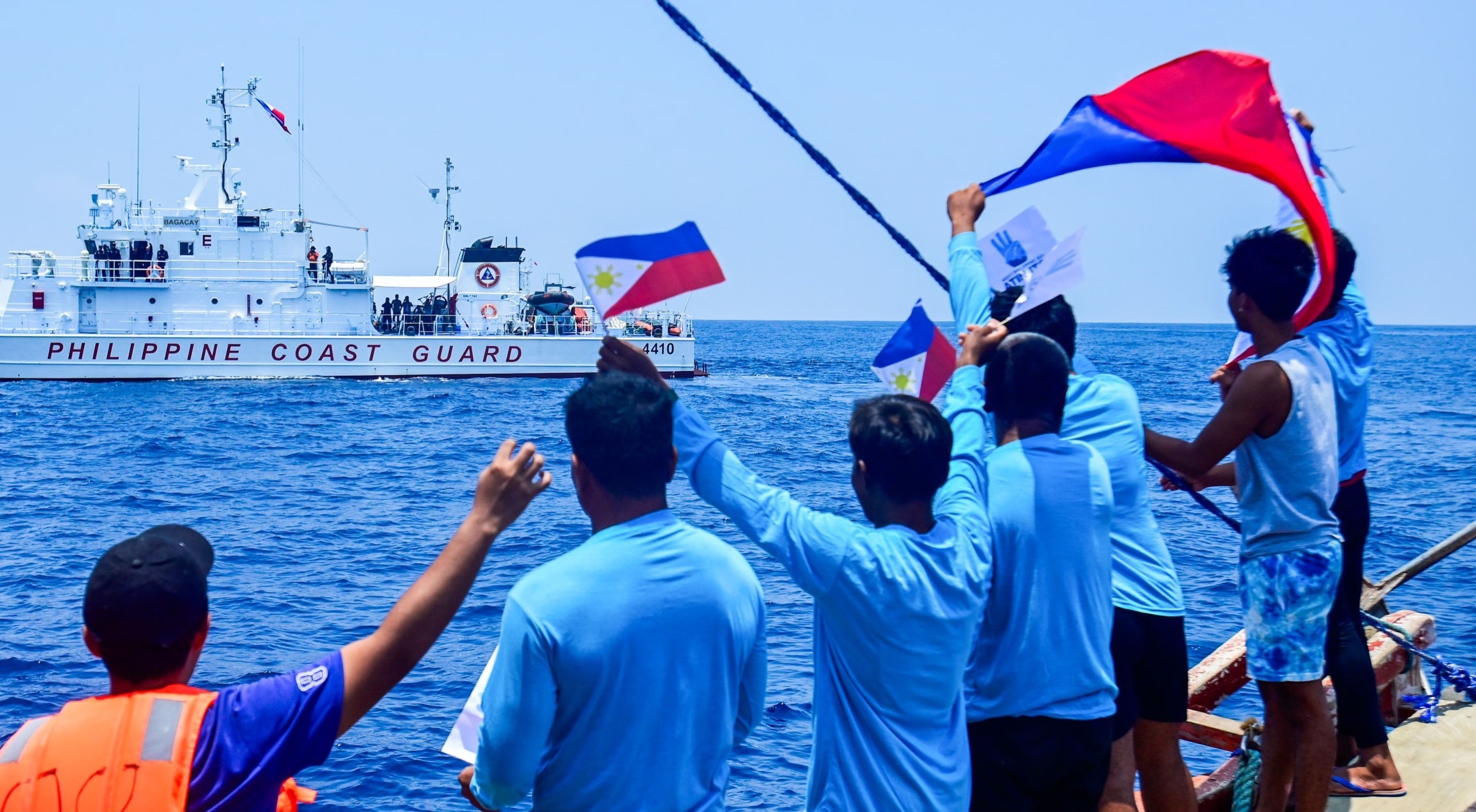
Filipinos Must Stand United in Defending National Interests
The West Philippine Sea issue goes beyond political parties, administrations, and personal differences.
It is a national concern that affects present and future generations of Filipinos.
Regardless of political affiliation, Filipinos can recognize the importance of protecting the country’s maritime rights, supporting Filipino fishermen, and ensuring that Philippine interests are not compromised.
National unity does not require hostility toward Chinese citizens or the rejection of peaceful relations with China. Rather, it means standing together in support of Philippine sovereignty, international law, and responsible diplomacy.
Our Sovereignty Is Not Negotiable
The diplomatic controversy involving Ambassador Jing Quan serves as another reminder of the challenges the Philippines faces in protecting its national interests.
While China possesses significantly greater military resources, the Philippines has the right to assert its lawful maritime entitlements and demand respect as an independent nation.
Military strength does not give any country the authority to disregard international law or intimidate its neighbors.
The Philippine government must continue strengthening its diplomatic efforts, supporting its maritime personnel, protecting Filipino fishermen, and working with international partners to uphold peace and stability in the region.
The Philippines does not seek war with China. It seeks peace, respect, and the recognition of its lawful rights.
And as Filipinos, we must never forget one important principle:
Our country may be smaller, but our sovereignty, dignity, and rights are no less important than those of any powerful nation.
PH News Watch | Philippine News, Happenings, and Updates